


The Christmas season is filled with scents and aromas that put us in a festive mood. Especially cinnamon, ginger, and cloves take center stage. These spices are known not only for their flavor but also for their health benefits. In this article, we explore how these spices can positively influence our health.
Cinnamon
Origin and Significance
Cinnamon, a spice with a rich history, was once a symbol of wealth. In many cultures, it was used as a remedy and for ritual purposes. Today, it is indispensable in Christmas baking. Its sweet-spicy flavor gives many dishes a special touch.
Health Benefits
Cinnamon is known for its positive effects on blood sugar levels. Studies show it can help regulate them, which is especially interesting for diabetics. Cinnamon also has anti-inflammatory properties and can promote digestion. These qualities make it a valuable part of a healthy diet.
Christmas Recipes
During the Christmas season, cinnamon is indispensable in many recipes. From cinnamon stars to mulled wine, it gives every dish a special festive touch. Cinnamon can also be used in savory dishes to add an exotic spice.
Different foods and substances that you are sensitive to can affect your overall well-being.

Ginger
Cultural Significance
Ginger, often called a "cure-all," holds a firm place in many cultures. It has been used in traditional medicine for thousands of years. Its sharp, spicy flavor makes it a popular ingredient in kitchens worldwide.
Health-Promoting Properties
Ginger is known for its anti-inflammatory and antioxidant properties. It can strengthen the immune system and is often used to relieve cold symptoms. Ginger also promotes digestion and can help with gastrointestinal issues.
Incorporation in Recipes
Ginger is versatile in Christmas cooking. Whether in cookies, cakes, or as a spice in savory dishes, it adds a special touch to every recipe. Ginger tea is a popular home remedy for colds and warms you on cold winter days.
Cloves
Historical Background
Cloves, with their intense aroma, have been a staple of Christmas tradition for centuries. Originally from Indonesia, they were valued for their unique flavor and medicinal properties.
Health Effects
Cloves are rich in antioxidants and contain anti-inflammatory substances. They can help relieve toothaches and have antibacterial properties. Clove oil is often used in dentistry and can also aid digestion.
Role in Christmas Cooking
Cloves are an essential ingredient in many Christmas dishes. They add a special touch to both sweet and savory foods. Cloves can be used in gingerbread, mulled wine, or savory roasts.
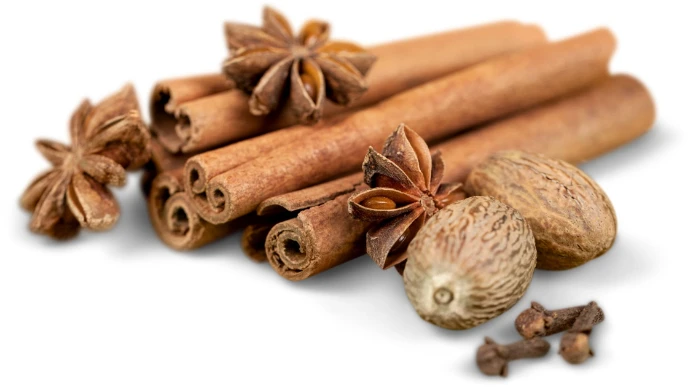
Scientific evidence
The health benefits of cinnamon, ginger, and cloves are supported by numerous studies. Experts recommend their regular use in the kitchen. They are not only tasty but also contribute to health.
Everyday use
Tips for everyday life
These spices can be easily incorporated into everyday life. They can be used in various dishes to combine health and flavor. An easy way to benefit from their advantages daily.
Risks and side effects
Caution is advised
As with all foods, moderation is important with spices too. Excessive consumption can cause side effects. Medical advice should be sought if there are existing health issues.
Conclusion
Cinnamon, ginger, and cloves are more than just Christmas spices. They offer numerous health benefits and can be easily integrated into daily life. A celebration for body and soul!
FAQ
Can regular consumption of cinnamon affect blood sugar levels?
Cinnamon has properties that can help regulate blood sugar levels. However, it is important to do this as part of a balanced diet and seek medical advice if needed.
How can ginger help with colds during the winter season?
Ginger is known for its anti-inflammatory properties and can provide relief during colds, especially when prepared as hot tea.
Are cloves effective for toothaches?
Clove oil contains eugenol, a substance known for its pain-relieving and antibacterial properties. It can provide temporary relief for toothaches.
Is there a recommended daily dose for cinnamon?
There is no established recommended daily dose for cinnamon, but it is generally advised to consume it in moderate amounts, especially if it is cassia cinnamon.
Can consuming ginger have side effects?
Excessive consumption of ginger can cause stomach discomfort, heartburn, or diarrhea. People with gallstones should consult their doctor before taking ginger.
Is it safe to apply clove oil directly to the skin?
Clove oil should be diluted before applying to the skin, as direct contact can cause skin irritation. It is advisable to perform a patch test before use.
Reference links on healthy nutrition
-
Healthy Austria Fund – Links on the topic of nutrition:
- Healthy Austria Fund
- This page offers an extensive collection of information and projects on healthy nutrition in kindergartens, schools, and community catering.
-
German Nutrition Society e.V. – Wholesome eating and drinking according to the 10 rules of the DGE:
- German Nutrition Society e.V.
- The DGE presents its 10 rules for a wholesome diet that promote health, performance, and well-being.

