


Do you love the taste of peas? So do we! They are not only delicious but also rich in important nutrients. In this article, you will learn more about the different types of peas, their nutrient composition, and what you can do if you suffer from a pea intolerance.
What are peas?
Peas are a type of legume and belong to the Fabaceae family. They are popular worldwide and available in various varieties, including green peas, snow peas, and snap peas. They are characterized by their mild, sweet flavor and versatile use in different dishes.
What types of peas and legumes are there?
There are many varieties of peas, including green peas, yellow peas, chickpeas, lentils, and black-eyed peas. Each variety has its own characteristics and is used in various culinary traditions around the world. Legumes in general are known for their high protein content and their ability to enrich the soil with nitrogen.
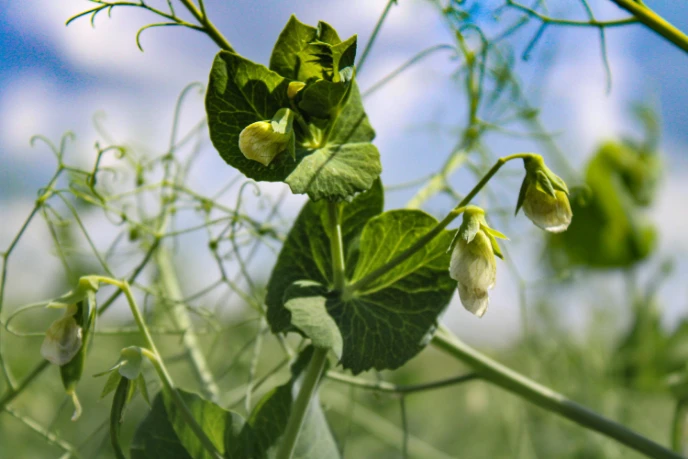
What nutrients do peas contain?
Peas are rich in various nutrients that are important for a healthy diet. They contain proteins, fiber, iron, magnesium, potassium, vitamin K, B vitamins, and antioxidants. These nutrients help strengthen the immune system, promote digestive health, and support the cardiovascular system.
Proteins
Peas contain high-quality plant proteins that provide essential amino acids. Besides peas, other legumes like chickpeas and lentils are also rich in proteins. Proteins are also found in animal products such as meat, fish, dairy products, and eggs.
Fiber
Fiber promotes digestion and contributes to long-lasting satiety. Whole grain products like oatmeal, brown rice, and whole grain bread are good sources of fiber. Vegetables such as broccoli, carrots, and celery also contain fiber.
Iron
Iron is important for oxygen transport in the body and the formation of red blood cells. Meat, especially red meat, is an excellent source of iron. Plant-based iron sources include legumes, green leafy vegetables like spinach and chard, as well as nuts and seeds.
Magnesium
Magnesium supports muscle and nerve function as well as bone health. Nuts and seeds such as almonds, cashews, and sunflower seeds contain magnesium. Green leafy vegetables, bananas, and whole grain products are also good sources of magnesium.
Potassium
Potassium regulates fluid balance and blood pressure. Bananas, potatoes, avocados, and oranges are rich in potassium. Dairy products like yogurt and whey also contain potassium.
Vitamin K
Vitamin K plays a role in blood clotting and bone health. Green leafy vegetables such as spinach, kale, and broccoli are excellent sources of vitamin K. Fermented foods like sauerkraut and kefir also contain this vitamin.
B vitamins
Peas contain various B vitamins such as folate, thiamine, and niacin, which are important for energy metabolism. Where else can I find B vitamins? Whole grain products, legumes, nuts, seeds, and dark green leafy vegetables contain various B vitamins.
Antioxidants
Peas contain antioxidants like lutein and zeaxanthin, which help protect against oxidative stress and maintain eye health. Fruits and vegetables are rich in antioxidants. Berries, apples, citrus fruits, carrots, tomatoes, and green tea are especially good sources if you have a pea intolerance.
To get these nutrients daily, you can take personalized supplements . These are specifically tailored to your body's needs so you get everything you require!
What is a pea intolerance?
A pea intolerance occurs when the body has difficulty digesting or processing certain components of peas. This can lead to unpleasant symptoms such as stomach pain, bloating, diarrhea, or nausea . The exact cause of the intolerance can vary individually. Some people may react to certain proteins or carbohydrates in peas.
How do I deal with a pea intolerance?
If you suspect you have a pea intolerance, it is advisable to consult a doctor or nutrition experts. They can provide an accurate diagnosis. In some cases, it may be enough to reduce pea consumption or change certain preparation methods to minimize symptoms. In more severe cases, it may be necessary to completely avoid peas and other legumes.
It is also very important to watch out for processed foods, as they often contain peas or pea components. Reading food labels and choosing fresh, natural ingredients can help avoid potential triggers.
Various foods and substances you are sensitive to can affect your overall well-being.

Medicross Intolerance Test for Home Use with Hair Sample
One way to check for a pea intolerance or other food intolerances is the Medicross Intolerance Test for Home Use with a hair sample. Our test allows you to easily identify intolerances. You only need to send in a hair sample, which is then analyzed in our laboratory. This way, potential intolerances can be uncovered and specific adjustments can be made to your diet.
Peas are delicious legumes rich in valuable nutrients. They provide proteins, fiber, iron, magnesium, potassium, vitamin K, B vitamins, and antioxidants. If you suffer from a pea intolerance, it is important to take appropriate measures to relieve symptoms. Get proper advice if you are unsure whether it is an intolerance or perhaps an allergy. Because an allergy has much more severe and stronger symptoms.
Please note that this article is for informational purposes only and does not replace medical advice.

